Are you struggling with mounting credit card debt? If you are, you are not alone; saddled are many with the looming effects of this debt.
Owing large amounts of money to a credit lender can have a ripple effect on our lives. It has the power to negatively impact our credit scores and the repercussions can be seen in a host of other instances. There are ways to curb your debt and eliminate those sleepless nights, which we will chat about seven times over.
Knowing Before you Owe
1. First of all, we tend to underestimate the power that this little piece of plastic can have over our lives. If you are carrying around your credit cards in your wallet, sometimes inadvertently, remove them immediately. It’s much more tempting to give into impulse purchases because of easy access to your credit cards.
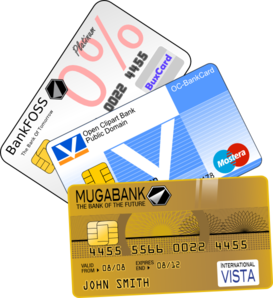
2. Snip, snip. Cut up excess credit cards, but save one for emergency purposes. Emergency situations are those in which you must have cash immediately. Yes, it’s probably best to wait to purchase those shoes at the mall.
3. How do I tackle such enormous amounts of debt? Pay off your credit card that carries the highest interest rate first. Then address each card in descending order. It can take time paying down your debt, but by outlining how you plan to get out of debt, you are more than likely to stick to your financial commitments.
4. In this chilly economic climate, many don’t have extra dollars to spare. Nonetheless, another tip is to pay more than the minimum payment that is due every month. Just set aside as much as you can: $50 here, $100 there. Says noted financial guru Suze Orman, “If you owe a credit card company $5,000 at 18 percent interest and all you do is pay the minimum each month it will take you over 30 years to pay it off.” How shocking is this?
5. Your creditors have only one interest at heart, theirs. So, know before signing on the dotted line. Become well-versed with all the terms or agreements of your credit cards. Understand fees that may be charged to you, the grace period before late fees set in, how the lender determines its fees and at what percentage rate.
6. Learn the art of negotiation. Call creditors and negotiate the best interest rates. Having a lower or better interest rate could involve switching credit cards every six months. However, when it comes to your financial freedom, it’s well worth it.
7. Receive advice from experts. There are trained professionals that can help you with your debt. For instance, the National Foundation for Credit Counseling ([NFCC, 1-800-388-2227]) is a not-for-profit agency that specializes in organizing and consolidating debt. NFCC also has provided financial counseling and education to consumers for more than 60 years. The NFCC has 90 member agencies and more than 700 offices throughout the U.S. and Puerto Rico. Reach out to other agencies if you think you can benefit from their resources also.
Practicing What you Learned
Once you become debt free, you will have enough money to put toward other essentials. Your newly found financial savvy will enable you to make better financial decisions about your future, too.
Web Links:
–http://www.suzeorman.com/resource-center/managing-debt/;
–http://www.nfcc.org/firststep/firststep_01.cfm.
-Kimberly Williams
 KWLMS
KWLMS 